Choosing the Right Database: SQL vs NoSQL for Modern Applications
Every modern app needs a database. This ensures that users’ data is not lost and can be retrieved when the application shuts down. For developers, choosing the right database is an important decision. This choice affects how the application works. Using the wrong one might slow down the app, make it ineffective, or even lead to a situation where it struggles to handle new features.
Today, most apps choose between two main types of databases: SQL (relational databases) and NoSQL. In the following, we explain the main differences and which projects they are best suited for.
How SQL and NoSQL Databases Work
Now, before you choose which database works for you, we explain how they function.
SQL (Relational) Databases
SQL keeps information in tables that look like plain squares with rows and columns. The data stays organized and simple to connect because each piece of information follows a set rule. This language lets you be very specific about what you want. Examples of SQL systems are MySQL and PostgreSQL.
NoSQL (Non-Relational) Databases
NoSQL databases don’t enforce fixed table schemas. The system stores data through simple and flexible mediums such as key-value pairs, linked graph structures, document collections, and wide-column stores. That is why they can handle a lot of data that changes shape all the time, like posts on a social app or sensor data from thousands of devices. Well-known NoSQL systems are Cassandra and MongoDB.
Core Differences Between SQL and NoSQL
SQL and NoSQL have different purposes and capabilities. The table below shows the main differences between the databases so you can make an informed choice.
| Element | SQL Databases | NoSQL Databases |
| Data structure | There are rows and sections in tables where the data is kept. Everything is set up in a certain way. You have to choose the layout before you can add data. | There are many ways to store data, such as in JSON files, key-value pairs, or graphs. The facts can change shape at any time. |
| Scalability | Most of the time, SQL grows by making one server stronger. This means giving the same machine more power. | NoSQL gets bigger by adding more servers. With more servers, it can handle more people at once. |
| Speed and performance | SQL works great when you need to look deeply and link data from many tables. | NoSQL is very fast when reading and writing large amounts of data across many servers. |
| Consistency and availability | SQL is all about making sure that data is always right. What you save is the same thing that you read back. | NoSQL focuses on staying online and available, even if data updates take a little time to sync. |
SQL vs. NoSQL: How to Choose the Right One
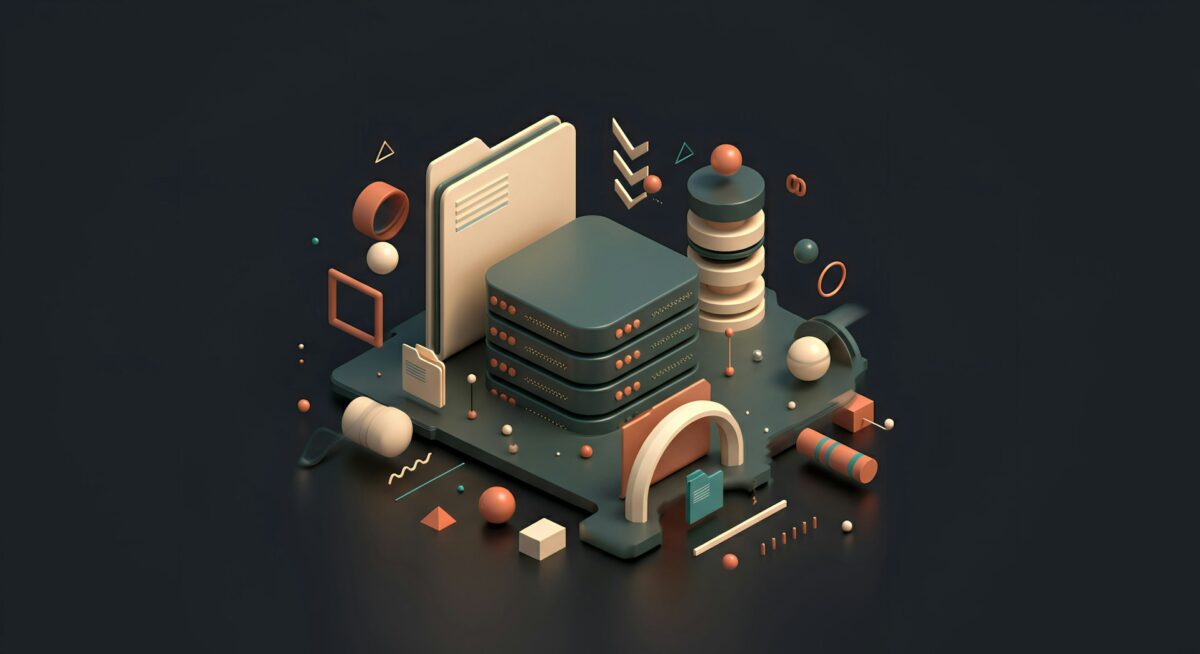
The purpose and use of your app should determine your choice of database. This simple guide will help you make a smart choice.
Choose SQL if:
- Your data needs an extra level of security. SQL is a good choice to use to keep users’ info safe and secure.
- Your info stays the same and is simple to guess. To use SQL’s table style, you should know what data you want to keep and how often it will change.
- Reports and facts must be reliable. It is easy to perform complex calculations or retrieve data in advanced ways with SQL since it is a structured language with a consistent set of tools.
NoSQL is the best choice if:
- You think there will be significant traffic on your app. Some apps can handle a lot of users at once, or the number of users can grow quickly. Adding servers makes it easier to scale out NoSQL.
- Your info goes through a lot of changes. NoSQL is easy to use if the data you store doesn’t always look the same or if you want to store different kinds of data, like files or logs.
- You’re making systems that are spread or that work in the cloud. NoSQL was made for apps that need to use a lot of computers at once and are in the cloud.
Last Thoughts
You can use either SQL or NoSQL as a database when building an application. SQL helps you always keep your data in order, and correct. NoSQL is good for apps that need to grow quickly and handle constantly changing data.
Think about what your app needs before you choose a database. The kind of user information you will be dealing with, the demographics of the users, and the volume of traffic it will handle are the most essential considerations when making a choice.




Leave a Reply